How To Get To Maokong Without Gondola
Buses, driving, parking and walking routes to Maokong when the gondola is shut, with the operator's own alternatives and an honest verdict on what you miss.
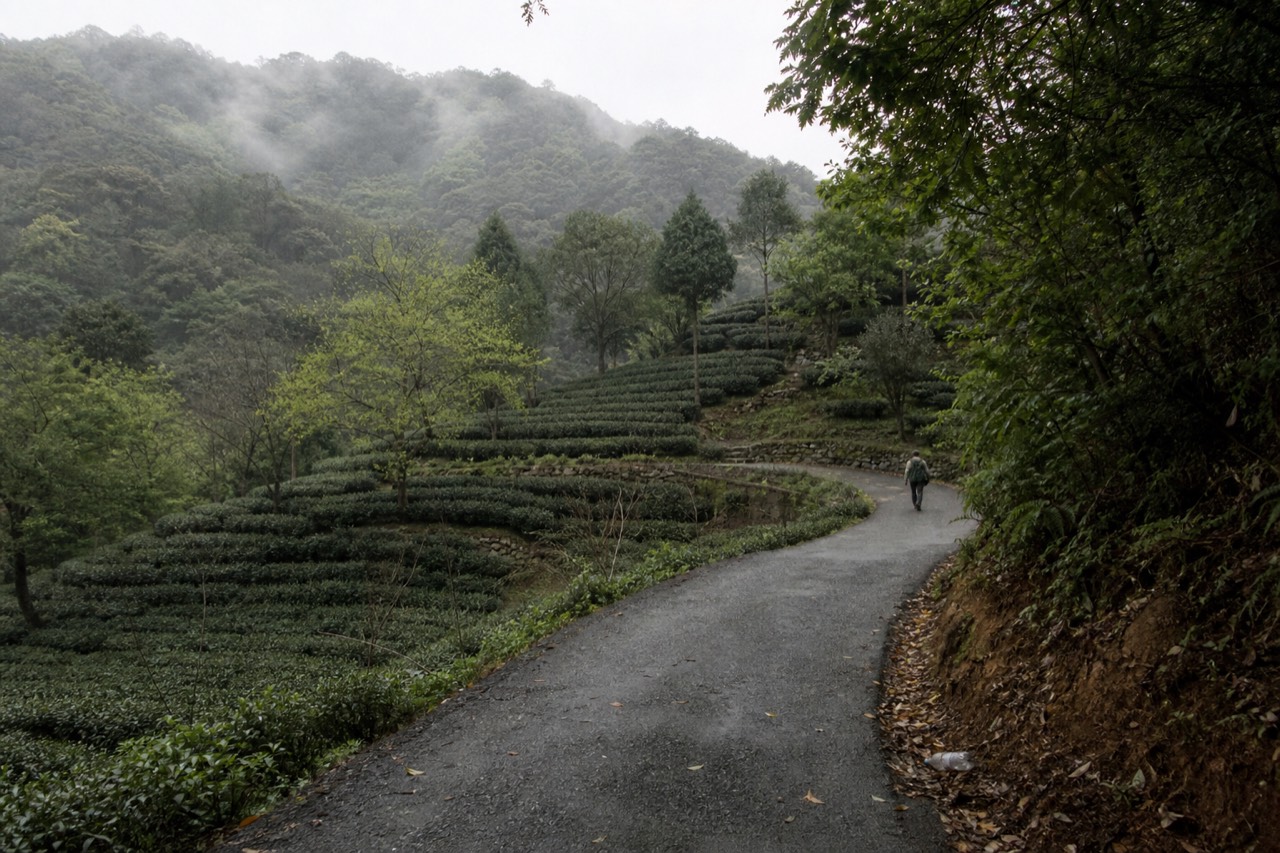
The Maokong Gondola does not run every day. It shuts for routine maintenance on most Mondays, it closed for five days of cable splicing from 20 to 24 April 2026, and its annual overhaul ran from 8 to 28 June 2026. On those days the tea houses, trails and viewpoints at the top are still open, and thousands of people still go up. The difference is how.
This page covers the routes the operator itself directs visitors to when the cabins are off: bus BR15, bus S10 with its short-turn runs, and the Maokong Tour Bus Left Line. It also covers driving, which the city's own planning documents argue against, parking at Taipei Zoo Station, and the option of walking up. It ends with the honest verdict on what you actually lose by not riding.
How To Get To Maokong Without Gondola
The reliable answer is the MRT to Taipei Zoo Station, then bus BR15 or S10 up the hill to Maokong, or the Maokong Tour Bus Left Line from the zoo. The MRT ride from Taipei Main Station costs NT$35 and takes roughly 40 minutes with one transfer, and the connecting buses climb the hill road to the tea area in around 15 to 25 minutes. No reservation is needed for any of them.
The starting point never changes. Taipei Zoo Station, BR01, is the terminus of the Wenhu Line, and it sits at the foot of the hill with the gondola's lower station about 350 metres away along Xinguang Road. When the gondola is running, most visitors transfer straight to the cable car. When it is not, they transfer to a bus instead, and the queue for those buses is the main thing to plan around.
The operator names its substitutes explicitly. During the 2026 overhaul it directed visitors to buses BR15, S10 (including its short-turn services) and the Maokong Tour Bus Left Line, and that trio is the backbone of every gondola-closed day. BR15 and S10 are ordinary Taipei city bus routes, so they take EasyCard and run to a published schedule. The Left Line is the dedicated visitor shuttle, and it has its own hours and frequency that change between weekdays and weekends.
There is one more wrinkle worth knowing before you plan a gondola-closed trip. The published 2026 suspension calendar does not match the operator's own English summary rule, which claims the line stays open on the first Monday of each month. The dated calendar is the authoritative one, and the exact Mondays vary month to month, so check the operator's published closure dates before assuming anything. October 2026, for instance, has only one closure all month, on the 12th.
Which Buses Go Up To Maokong?
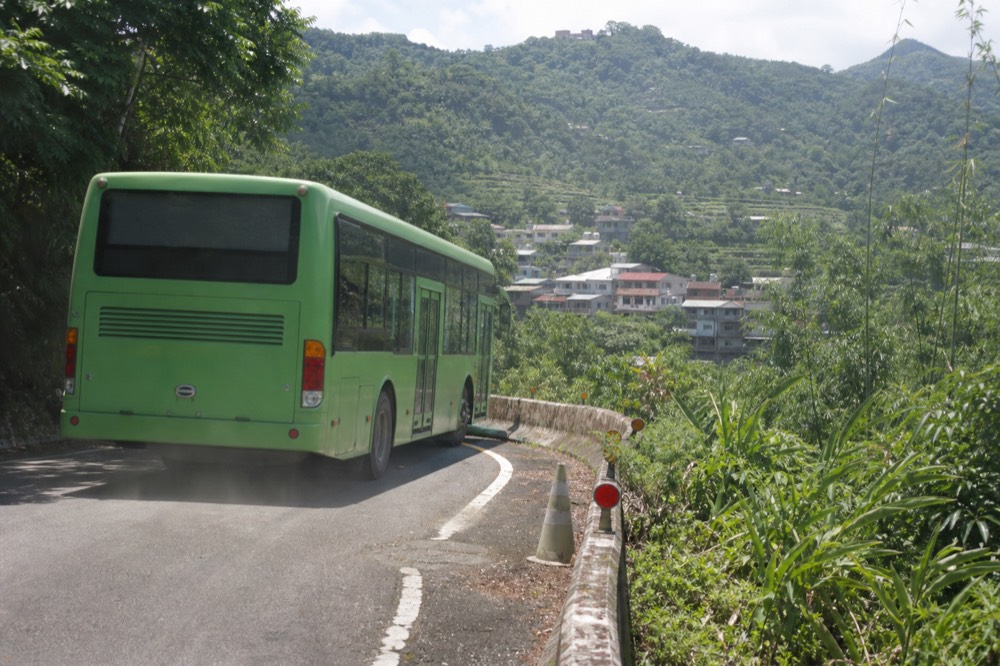
Three routes serve the hill when the gondola is shut: BR15 and S10, which are regular city bus routes from the Taipei Zoo area, and the Maokong Tour Bus Left Line, the dedicated shuttle that starts at the zoo. BR15 runs roughly every 10 to 20 minutes, S10 less often, and the Left Line loops the Maokong sights from the zoo station.
The two city routes are the workhorses. BR15 climbs from the zoo end of the hill up to Maokong village, and S10 does a similar job with short-turn variants that cover only part of the route during quiet periods. Both accept EasyCard, and the fare is a standard Taipei bus fare rather than a tourist price. They stop along Zhinan Road at points the gondola never touches, which is a genuine advantage: a bus can drop you at the Apricot Blossom Grove or a trailhead that is a stiff walk from Maokong Station.
The Maokong Tour Bus is the visitor-friendly option. Its Right Line circles the Maokong sights from the top station, and its Left Line connects the zoo end. On weekdays it runs 09:00 to 20:00, on weekends and holidays 08:30 to 20:00, with weekday frequency every 10 to 15 minutes and weekend frequency every 7 to 10 minutes. One detail that catches people out: after 19:00 there are only three departures, at 19:00, 19:30 and 20:00. Miss the last one and the walk down is long.
| Route | Starts from | Best for | Notes |
|---|---|---|---|
| BR15 | Taipei Zoo area | Maokong village centre | Regular city bus, EasyCard accepted |
| S10 (incl. short-turn runs) | Taipei Zoo area | Zhinan Road stops and trailheads | Short-turn services cover partial route off-peak |
| Maokong Tour Bus Left Line | Taipei Zoo Station | Sights on the lower and middle hill | Free transfer for same-day gondola riders |
| Maokong Tour Bus Right Line | Maokong Station | Loop of the top sights | Runs only when the gondola is operating |
A free-transfer detail matters even on a gondola-closed day for anyone holding a ticket for another day: gondola passengers who tap an EasyCard get the Maokong Tour Bus Right and Left Lines free on the same day. If you ride the cable car on Saturday and come back by bus on Sunday, that does not carry over. But within one day, the ticket and the bus network are stitched together.
For the trip up from central Taipei, the MRT is the sensible spine. An adult single from Taipei Zoo Station to Taipei Main Station is NT$35, and the journey takes roughly 40 minutes with one transfer. Buses 66, 237, 294, Brown 15 and many others also feed the zoo station, and from Taipei City Hall Station on the Bannan Line you can take bus G1, BR18 or BR21. Once you are at the zoo, everything above applies.
What Is The Bus Journey Up Like?
The bus ride from the zoo to Maokong takes roughly 15 to 25 minutes along a narrow two-lane hill road, with tight bends, tea-field views and stops directly on Zhinan Road. It is a normal public bus on a road the city itself describes as a narrow farm track, so expect slow speeds, occasional passing manoeuvres on blind bends and no luggage space to speak of.
The road is the story. Zhinan Road Sec. 3 was built for farm traffic, not tour groups, and the city's Public Transportation Office, in the project rationale for the gondola itself, describes Maokong's roads as narrow farm tracks with severely insufficient parking, and holiday congestion around the main sights as the reason the cable car was built at all. The office's own project page is worth reading for anyone wondering why a city spent public money on a gondola to a tea village.
What that means in practice: the bus driver knows the road, you do not need to. Sit on the left side going up for the best views across the valley, hold the rail on the bends, and press the stop button a little early because the driver needs room to pull in. Motion-sensitive passengers should know the road is winding enough that the front seats are calmer than the back.
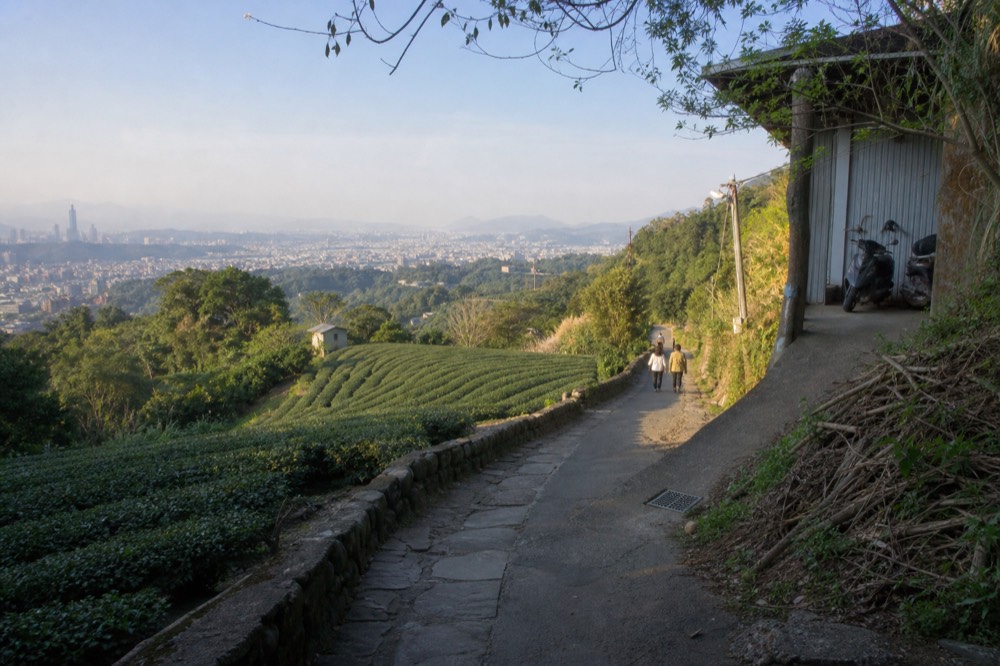
The upside of the bus over the cabin is what you see. The gondola gives you the aerial panorama; the bus gives you the hillside at eye level, the tea rows, the temple gateways and the smell of the forest after rain. Many regulars argue the bus ride up is the better introduction to the place, and it certainly delivers you into the village rather than to a station platform above it.
Can You Drive To Maokong, And Should You?
You can drive to Maokong, and on weekdays it is manageable, but the city's own planning documents argue against it: the roads are narrow farm tracks and parking is severely insufficient. On weekends the hill road fills with tour buses and private cars, the roadside fills with parked vehicles, and the drive becomes a slow, stressful crawl that can outlast the gondola queue you were trying to avoid.
The route by car is straightforward on paper. From National Freeway 3, take the Muzha Interchange, then the Taipei link road to the Wanfang Interchange towards Muzha, left into Muzha Road, right over Wanfu Bridge and right onto Xinguang Road, which becomes the hill road. On a quiet Tuesday that is a pleasant drive. On a Sunday afternoon it is a queue with scenery.
The honest framing comes from Taipei City itself. When it justified building the gondola, the Public Transportation Office wrote that Maokong's roads were narrow farm tracks with severely insufficient parking, and that holiday crowds caused serious congestion around the main sights. Nothing about the road has been widened since. If the city built a cable car because driving up was a bad experience, driving up on the busiest days is still a bad experience.
Where Should You Park Instead?
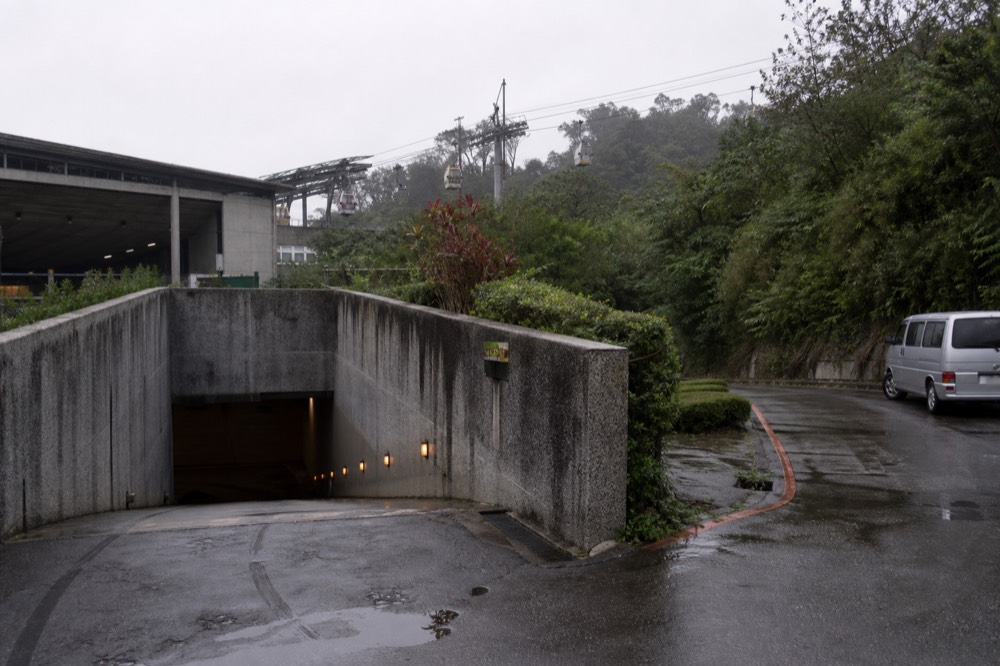
Park at the Taipei Zoo Station underground car park and take the bus or, on operating days, the gondola from there. Weekday parking is NT$10 per hour, 24 hours a day; weekends and holidays are NT$60 per hour between 06:00 and 22:00, six times the weekday rate. The car park has 150 car spaces and 200 motorcycle spaces.
That weekend rate is the single most useful parking number on this topic. Because the weekend daytime rate is six times the weekday rate, a full Sunday at the sights costs many times what the same hours cost midweek, which makes arriving early or picking a weekday the two obvious money-saving moves. Two further car parks exist, the Taipei Zoo riverbank car park and the Muzha Depot car park, but the depot one opens only on holidays, which is precisely when you least want to be searching for a space.
| Car park | Spaces | Rate | When to use it |
|---|---|---|---|
| Taipei Zoo Station underground | 150 cars, 200 motorcycles | NT$10/hr weekdays, NT$60/hr weekend daytime | Default choice, next to MRT and buses |
| Taipei Zoo riverbank | Variable | Check on site | Overflow on busy days |
| Muzha Depot | Variable | Check on site | Holidays only, further from the hill |
Disabled drivers park free for the first four hours, then at half rate. Motorcycles pay NT$20 per entry per day. If you are arriving by car from outside Taipei, the park-and-ride logic is simple: leave the car at the zoo, go up by bus or gondola, and let someone who drives that road daily do the driving.
Can You Walk Up To Maokong?
Yes, and the classic route is the Zhinan Temple stone stairway, 23 flights totalling 1,185 stone steps rebuilt in 1936, climbing 30 to 40 minutes to the temple, from where trails continue toward Maokong. From the top, the Camphor Tree Trail, about 1.5 km and roughly 30 minutes one way, is Taipei's first fully level trail and the easiest walking in the area.
The stair climb is a real hike, not a stroll. The steps start at Lane 33, Sec. 3 Zhinan Road, pass a Japanese-era stone archway and old stone lanterns, and deliver you at a temple complex founded around 1890 to 1891. A 1926 account by the painter Kinichiro Ishikawa put the walk up from Muzha's main street at 30 to 40 minutes, and modern descriptions agree. Wear real shoes, carry water, and do not attempt it in the midday heat of a typhoon-season afternoon.
Once at the top the walking becomes gentle. The operator's trail set includes the Little Sky Trail boardwalk at about 250 metres, the 70-metre Denggao Trail, which is the shortest signposted trail in the Maokong area, and the Camphor Tree Trail with its restored charcoal kilns, ox cart and granary along the way. The Camphor Tree Trail is the one to pick with older relatives or small children, since the operator's own phrasing is that they can walk the whole thing comfortably.
A note on the temple itself if you climb in 2026: a fire severely damaged Lingxiao Hall on the evening of 24 August 2026, with no injuries, and the rest of the complex remained open. Restoration is expected to take at least three years and more than NT$100 million. The stairway, the main halls and the viewpoints are unaffected.
What Do You Actually Lose By Not Riding The Gondola?
What you lose is the view, and it is most of the point. The cabins climb roughly 250 metres over 4.03 km of cable, crossing forest the road never sees, and the Crystal Cabins put the valley under your feet through a glass floor. The buses deliver you to the same tea houses and trails, at a fraction of the price, but nothing on the ground reproduces the aerial crossing.
The honest arithmetic is this. Functionally, a bus gets you to Maokong, and it costs a city bus fare. The tea tastes the same, the trails are the same, the Sky Green deck at the top station, open since January 2026, gives an open panorama over the whole Taipei basin without a cabin in sight. A visitor who arrives by bus has lost nothing of the destination.
What cannot be replaced is the crossing itself. The route is shaped roughly like the numeral 7, bends at two angle stations closed to the public, and carries cabins over ravines and treetops for about 20 to 30 minutes, up to roughly 37 minutes when the system runs slow. That is the product. A one-day pass, unlimited rides on the day of activation across all four stations, is the way most people buy it, and the pass starts from about $9.49, rated 4.7 from about 11,700 reviews.
So the fair verdict is a split decision. If the gondola is shut and you want tea, temples and trails, take the MRT to the zoo and the bus up the hill, and enjoy a day that costs very little. If the aerial ride is the reason you are going, check the operator's published closure calendar first, because the 2026 list includes Mondays that the English summary rule says should be open, and plan around it. More on the closure pattern sits in the Maokong Gondola site's weather and closures guide, and the full route guide from central Taipei covers every option including the ones that need a cabin.
For anyone weighing the two experiences against each other, the is the ride worth it breakdown runs the numbers on both sides, and the Maokong hiking trails guide maps the paths that make a bus-plus-walking day genuinely full.
The short answers are these: take the MRT to Taipei Zoo Station and then bus BR15, S10 or the Maokong Tour Bus Left Line up the hill; park at the zoo car park rather than on the hill; walk up via the 1,185-step Zhinan Temple stairway if you want the exercise; and expect to lose the aerial view, which is most of the point of the cable car. Each question below expands on one of these answers with the figures that matter.
Common Questions About Getting To Maokong Without The Gondola
How To Get To Maokong Without Gondola?
Take the MRT Wenhu Line to Taipei Zoo Station, then bus BR15, S10 or the Maokong Tour Bus Left Line up the hill. The MRT from Taipei Main Station costs NT$35 and takes about 40 minutes with one transfer, and the connecting bus climbs to Maokong in roughly 15 to 25 minutes.
Is The Maokong Tour Bus Free?
It is free for same-day gondola riders who tap an EasyCard, on both the Right and Left Lines. Without a gondola ride that day, it is a paid shuttle. Note that after 19:00 there are only three departures: 19:00, 19:30 and 20:00.
When Is The Maokong Gondola Closed?
It closes for routine maintenance on most Mondays, on Lunar New Year's Eve, and for annual works. In 2026 the calendar included a five-day cable-splicing shutdown from 20 to 24 April and the annual overhaul from 8 to 28 June. The exact Mondays vary month to month, so check the operator's published calendar rather than the summary rule.
Can You Walk Up To Maokong Instead Of Taking The Bus?
Yes. The classic climb is the Zhinan Temple stairway, 23 flights totalling 1,185 stone steps, taking roughly 30 to 40 minutes to the temple, with trails continuing from there. From the top, the Camphor Tree Trail, about 1.5 km and roughly 30 minutes one way, is the easiest walking in the area.
Where Do You Park For Maokong?
Park at the Taipei Zoo Station underground car park: NT$10 per hour on weekdays, NT$60 per hour on weekends and holidays between 06:00 and 22:00. It holds 150 cars and 200 motorcycles, and sits next to the MRT station and the bus stops up the hill.
Do You Miss Much By Skipping The Gondola Ride?
You miss the aerial crossing, which is most of the point: cabins climb roughly 250 metres over 4.03 km of cable, on a route the road never follows. The tea houses, trails, temples and viewpoints at the top are identical either way, and the Sky Green observation deck, open since January 2026, gives a wide basin panorama from the ground.