Maokong Cable Car Weather And Suspension Rules: What Closes The Cable Car And What Happens To Your Ticket
The Maokong Gondola publishes exact thresholds for wind, lightning, earthquakes and typhoons, and it shuts the moment any one of them is crossed. Here is what each rule means in practice, what happens to you and your ticket when the line stops, and how to plan around Taipei's weather without losing your day.
Short answer
The gondola suspends service when gusts reach 16 m/s, lightning strikes anywhere along the route, an earthquake hits intensity 4, or a typhoon land warning covers Taipei. Passengers stranded at the upper stations are brought down by free shuttle buses, and one-day-pass holders who have ridden only once get a partial refund.
The Maokong Gondola hangs from a single moving haul rope across 4.033 km of hillside above Taipei, and the operator, Taipei Rapid Transit Corporation, runs it to published weather limits rather than to a dispatcher's judgment. Every threshold is written down: wind speed, lightning, earthquake intensity, typhoon warnings. That is good news for a visitor, because it means the rules of a shutdown are predictable, and so is what happens afterwards, from the free shuttle buses down the mountain to the partial refund on a one-day pass.
What trips most people up is not the weather itself but the planning around it. Taipei's typhoon season runs from May to November, the gondola closes most Mondays for maintenance, and a summer afternoon thunderstorm can pause the line for half an hour without ending anyone's day. This page lays out each rule with its exact trigger, then walks through what to do when one fires, in the order you would actually need it.
When Does The Maokong Cable Car Stop Running For Weather?
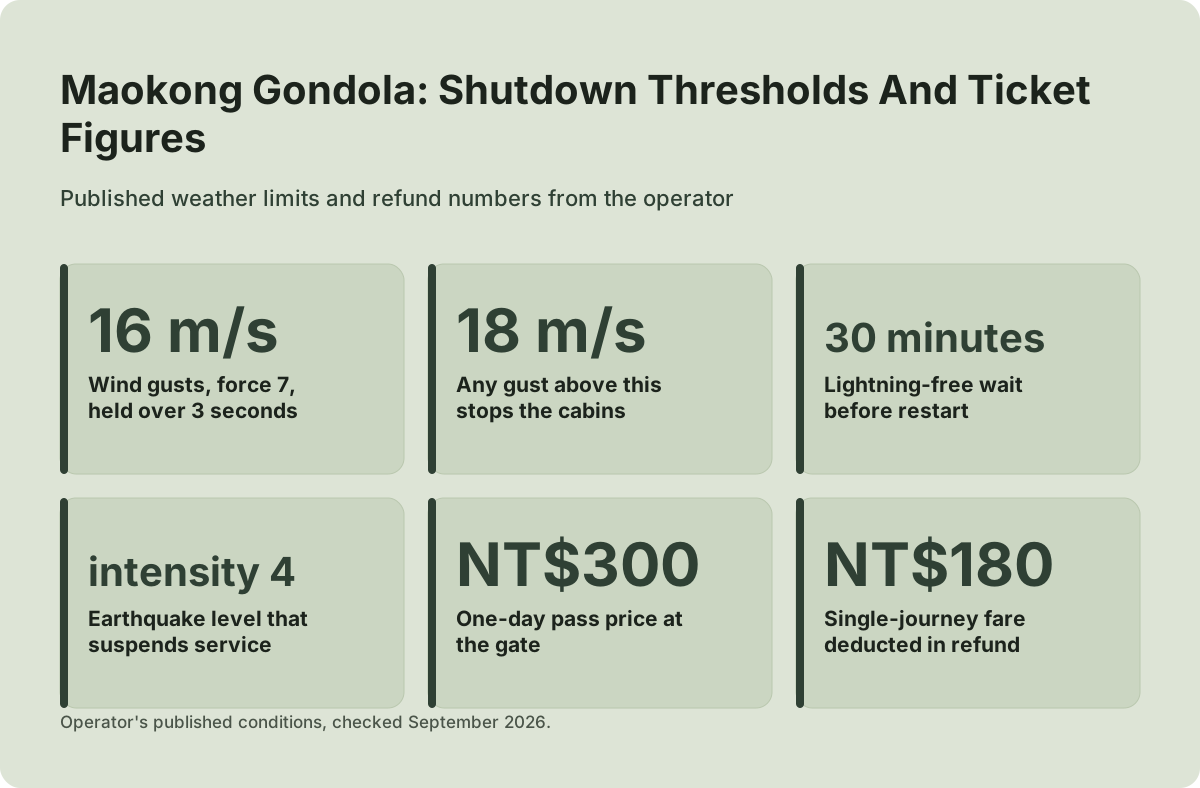
The gondola suspends service the moment any of four published thresholds is crossed: wind gusts of 16 m/s (Beaufort force 7) held for more than three seconds or gusts above 18 m/s, any lightning strike anywhere along the operating route, earthquake shaking of intensity 4 or above, or a typhoon land warning covering Taipei. Each rule comes from the operator's own published conditions, and each one is automatic rather than discretionary.
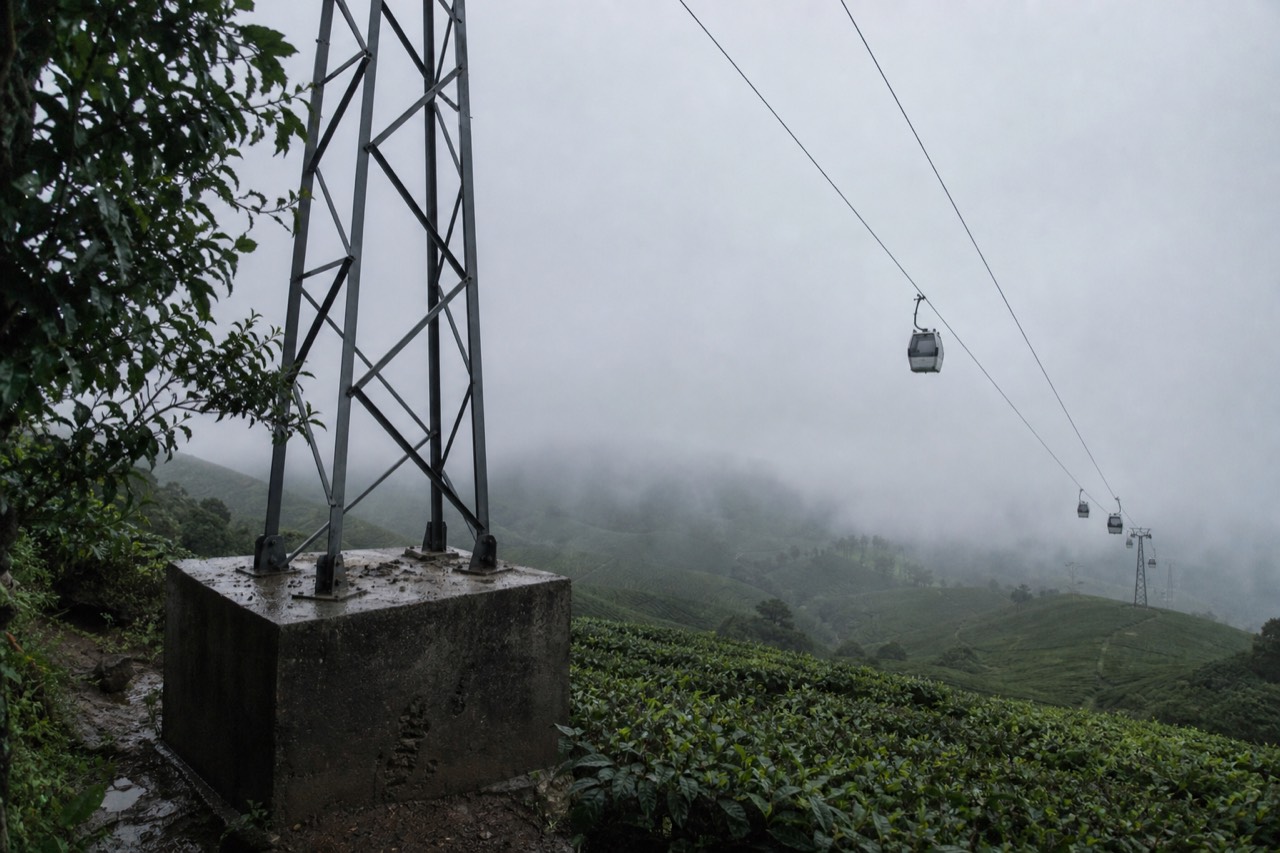
The wind rule is the one that fires most often in autumn and winter. The line's towers stand exposed on ridges above Wenshan District, and the operator's conditions page states the numbers plainly: gusts reaching 16 metres per second, roughly force 7 on the Beaufort scale, that hold for more than three seconds, or any gust above 18 m/s, and the cabins stop moving. The system then waits for the wind to drop before restarting. There is no published minimum shutdown duration, because it depends entirely on the weather in that hour.
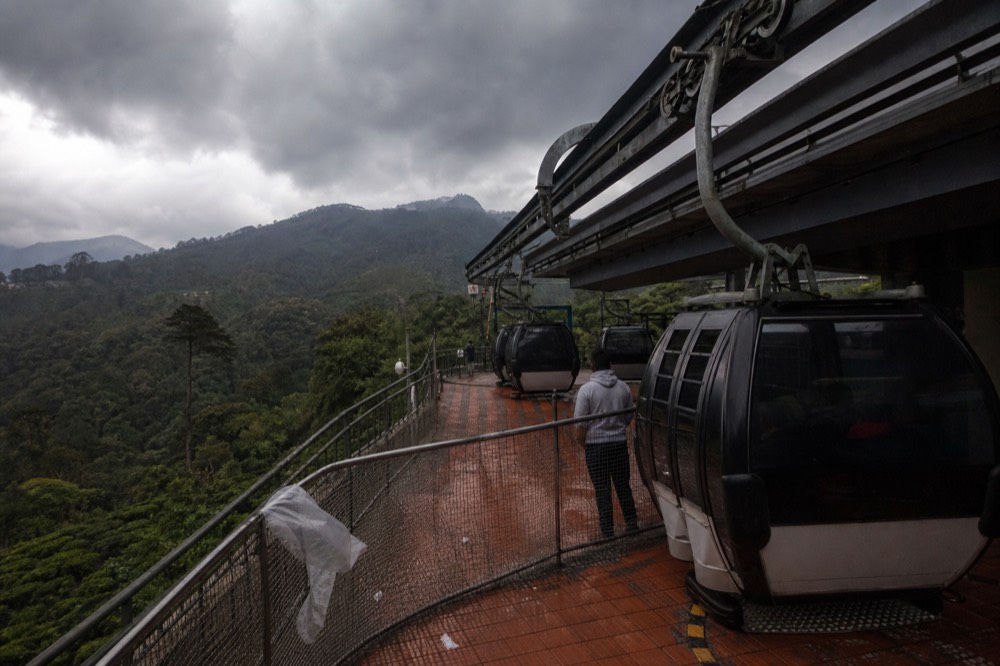
Lightning is the summer rule. Any strike anywhere along the route halts the system immediately, and the restart procedure is published too: if 30 minutes pass with no further lightning in the warning zone, the system is inspected and then resumes. The operator explicitly refuses to forecast a restart time, because thunderstorm duration is unpredictable. In practice a summer storm cell often clears within the hour, and the line runs late into the evening on weekends, until 22:00 on holidays.
Earthquakes are handled in two tiers. Shaking of intensity 4 or above suspends service and passengers are evacuated. Below intensity 4, the system checks all tower and system monitors, runs at a reduced speed of 1 m/s for 5 minutes, and returns to normal if nothing abnormal appears. Taiwan's national network of detection equipment, including an omni-directional lightning detection system and lightning rods on every station and tower, feeds the operator advance warning of approaching storms.
What Happens If The Gondola Shuts While You Are Up The Mountain?
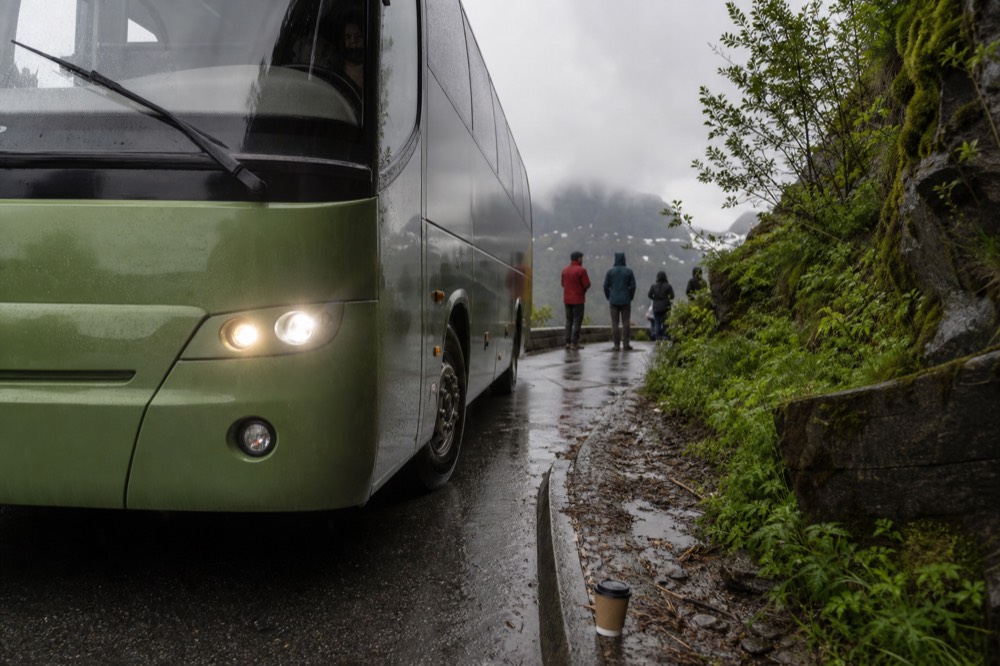
Passengers already in cabins are set down at the nearest safe station, the whole line is cleared, and anyone stranded at the upper stations is taken back down the mountain by free shuttle buses arranged by the operator. If you hold a one-day pass and have ridden only once when the suspension hits, you are refunded the difference after one single-journey fare is deducted; if you have ridden twice or more, there is no refund.
This is the fact almost no guide mentions, and it removes most of the fear of being stuck. You will not be left on the mountain. The operator's published procedure puts stranded passengers on free shuttle buses down to the lower terminus, and the buses that serve Maokong anyway, BR15, S10 and the Maokong Tour Bus Left Line, are the same routes the operator points to during its annual maintenance closure. A weather shutdown up top is an inconvenience, not a rescue situation.
The refund rule is narrower than people hope. It applies to one-day passes, which cost NT$300 at the gate for general passengers. If service is suspended and you have ridden once, you get the difference back, effectively the pass price minus one single-journey fare of NT$180. If you have already ridden twice or more, the pass has done its job and there is no refund. For an unused single-journey ticket, no refund rule has been published, so treat that fare as spent once you are through the gate.
The safety engineering behind the shutdowns is worth knowing, because it explains why the operator stops the line so readily. Backup motors driven by diesel generators pull cabins in at 1 m/s if the main drive fails, a crown-gear rescue system does the same if the gearbox fails, and the power supply is twin-circuit with automatic switchover. Taipei City Fire Department's vertical rescue team, two line rescuers and a tower assistant, can abseil from a tower into a cabin in the worst case. Every tower base is watched by borehole inclinometers, tilt plates and superstructure monitors, a direct legacy of the 2008 Tower 16 landslide that closed the line for 18 months.
If a shutdown is looking likely, having a ticket that survives it matters. The one-day pass sold through the operator's listing is open-dated and valid for 180 days, so a storm that closes the line before you activate it costs you nothing.
Which Days Is The Maokong Cable Car Closed For Maintenance?
The gondola closes on most Mondays for routine maintenance, but the exact Mondays vary month to month and only the operator's published calendar is reliable; in 2026 there were also two long closures, a five-day cable-splicing shutdown from 20 to 24 April and a three-week annual overhaul from 8 to 28 June, reopening 29 June. The system also closes every year on Lunar New Year's Eve, 16 February in 2026.
Here is the trap: the operator's English page summarises the rule as "closed Mondays except national holidays and the first Monday of the month", but the operator's own dated 2026 calendar does not match that summary. First Mondays in May 2026 were listed as closed, while several ordinary Mondays in January, March and October were not. The calendar, not the summary, is the authority. Check the operator's published suspension list before you lock in a Monday visit.
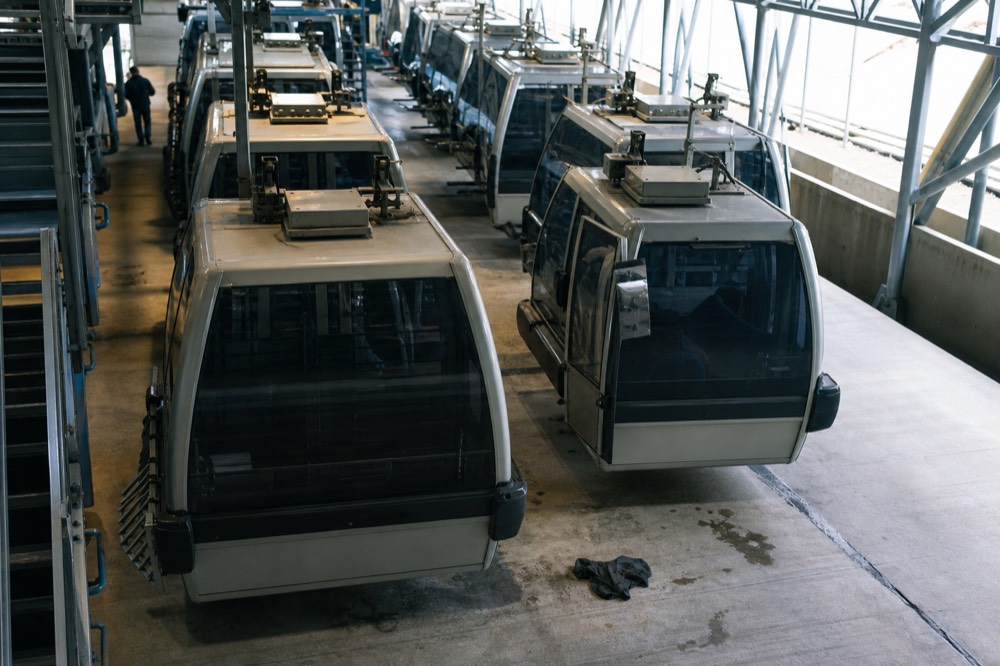
The 2026 published calendar, verified against the operator's own hours page, looked like this:
| Month | 2026 closure dates | Reason |
|---|---|---|
| Jan | 12, 26 | Monday maintenance |
| Feb | 9, 16, 23 | 16 Feb Lunar New Year's Eve, others Monday maintenance |
| Mar | 9, 23, 30 | Monday maintenance |
| Apr | 13, 20-24, 27 | 20-24 Apr cable-splicing works, others Monday maintenance |
| May | 4, 11, 18, 25 | Monday maintenance, every Monday |
| Jun | 1, 8-28 | 8-28 Jun annual overhaul |
| Jul | 6, 13, 20, 27 | Monday maintenance |
| Aug | 3, 10, 17, 24 | Monday maintenance |
| Sep | 7, 14, 21 | Monday maintenance |
| Oct | 12 | Monday maintenance, only one closure all month |
| Nov | 9, 23, 30 | Monday maintenance |
| Dec | 14, 28 | Monday maintenance |
The annual overhaul is the big one to plan around. In 2026 it ran from 8 to 28 June and involved replacing major components supplied by POMA, the French manufacturer, including the main motor, drive-sheave bearings, drive shaft and rescue motor, followed by electrical, load and running tests before reopening. The 2025 overhaul ran 16 to 30 June. If your trip falls in late June, assume the line is down and check the operator's news page. Crystal Cabins run Tuesday to Sunday, so a maintenance Monday closure removes them too.
How Do You Check The Maokong Cable Car Status Before You Travel?
There is no real-time queue, wait-time or status widget published by the operator: no app, no live map, no crowd indicator anywhere on the official site. The practical method is to check the operator's notices page for scheduled closures, watch the Central Weather Administration forecast for wind and storm warnings, and hold an open-dated ticket so a bad forecast costs you nothing.
That absence is worth stating plainly, because visitors keep looking for a live status feed that does not exist. What the operator does publish is the closure calendar above and news notices for unscheduled suspensions, such as the typhoon stand-downs in July 2026. The operator's 24-hour customer service line, +886-2-2536-3001, answers questions about service on the day.
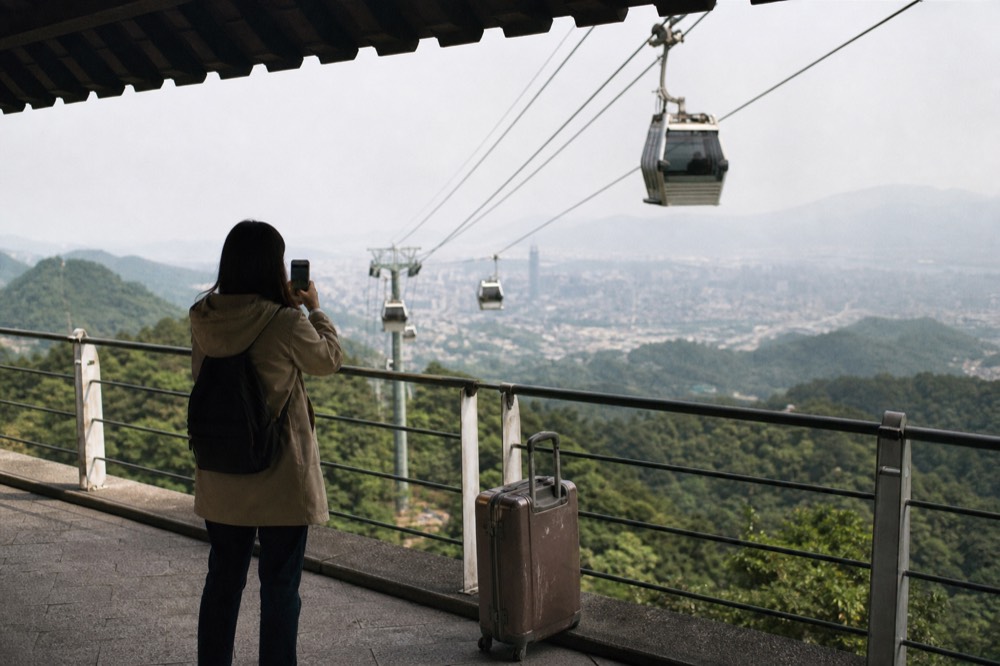
For weather, the Central Weather Administration's warnings are the upstream signal. A typhoon land warning covering Taipei means the gondola is suspended, judged against actual wind and rain and whether the city has called off work and school. Below warning level, the wind and lightning thresholds govern. A practical habit for a summer visit: check the radar in the morning, ride before 2 pm, and treat the late afternoon as bonus time, since thunderstorms in Taipei most often build after midday.
The strongest protection is a ticket that waits for you. The one-day pass from the operator's live listing is delivered with instant confirmation, is open-dated, and stays valid for 180 days, so a forecast that turns bad the night before simply moves your ride to another day of your trip. Check availability before you travel rather than at the gate, and the weather risk largely disappears from your planning. The listing carries a rating of 4.7 from about 11,700 reviews with over 400,000 bookings recorded.
What Is Taipei's Typhoon Season And How Much Should It Worry You?
Taipei's typhoon season runs from 1 May to 30 November, with activity peaking in August and September, and a typhoon land warning covering Taipei suspends the gondola for its duration. In 2026 the line closed for Typhoon Bavi on 10 and 11 July and reopened on 12 July, a typical two-to-three day interruption rather than a long shutdown.
Typhoons are the only weather event that closes the gondola for a whole day or more at a time, and they are also the most forecastable. A typhoon is tracked for days before it arrives, so a visitor is never surprised by one. The suspension begins when a land warning covering Taipei is issued, and the line reopens once the warning lifts and the system has been inspected.
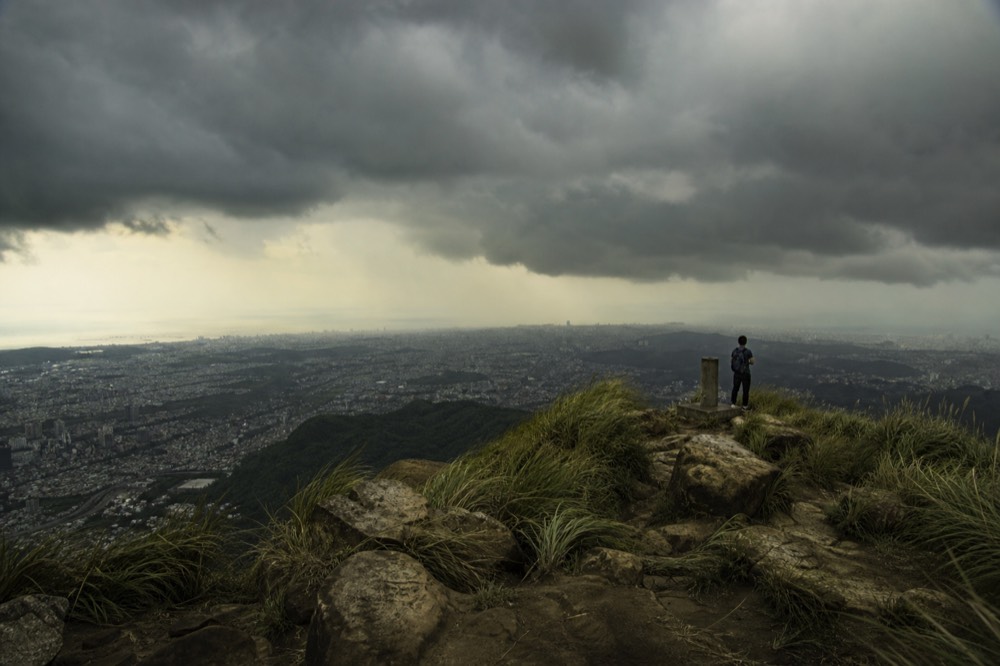
One counterintuitive planning point: the days immediately after a typhoon often give Taipei its clearest visibility and bluest skies of the entire summer. The same winds that close the line scrub the haze out of the basin. If a typhoon passes early in your trip, the gondola ride you take two days later may be the best one available all season, and the operator's own post-typhoon reopenings, like 12 July 2026, tend to be well attended for exactly that reason.
The earthquake and landslide history matters here too, because it shaped the current caution. In September 2008, rain from Typhoon Jangmi caused a landslide on the slope near Tower 16, and the city suspended the line for assessment on 1 October 2008. It did not reopen until 30 March 2010, roughly 18 months later, with Tower 16 relocated. The three-dimensional tower monitoring described earlier, borehole inclinometers under each foundation, tilt plates and superstructure sensors, is the permanent answer to that event, and it is why weather thresholds are enforced without exception.
Does The Gondola Run In Rain And Fog?
Yes, the gondola runs in ordinary rain and fog, because neither is a published suspension trigger; only wind, lightning, earthquake and typhoon warnings stop the line, so a drizzly or misty morning is a normal operating day with shorter queues. Fog can reduce the view, but it also thins the crowds, and it often burns off by late morning.
This surprises visitors who assume a cable car waits for clear skies. It does not. A grey, damp Tuesday in February is a full service day, and it is often the best day to ride, because the weekend crowds that the city's own transportation office acknowledges, narrow farm roads and severely limited parking up top, stay away. The cabins are enclosed, so the ride itself is dry.
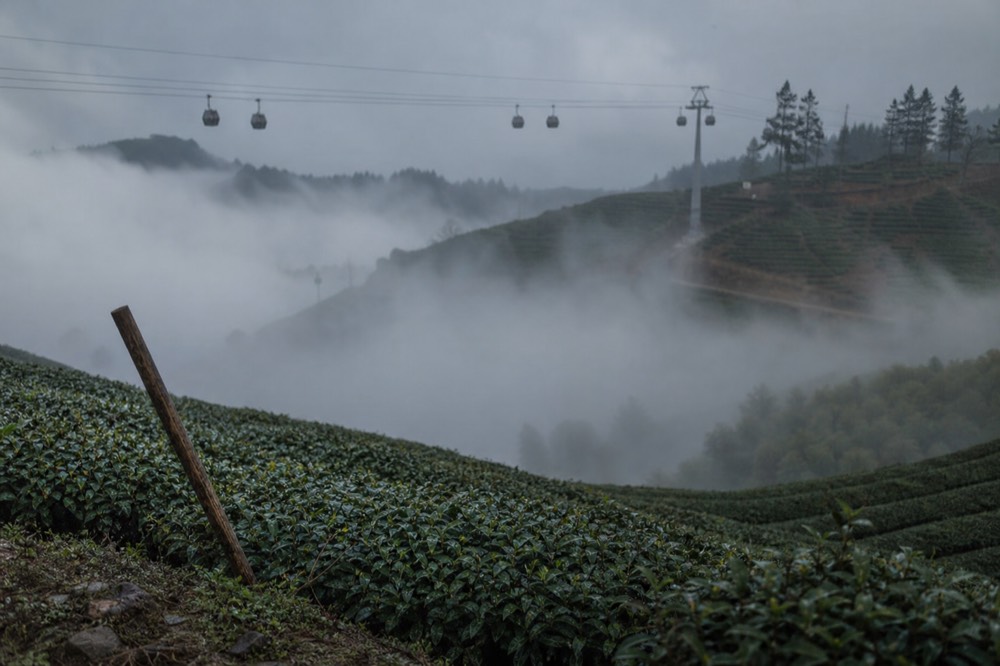
The trade-off is the view. The ride climbs roughly 250 metres from the Taipei Zoo terminus to Maokong Station, and on a clear day the whole Taipei basin opens up, with the new Sky Green observation deck at the top, opened in January 2026, giving an open panorama day and night. In thick fog you get drifting cloud between tea gardens instead, which has its own following among photographers. If the view is the point of your visit, check visibility rather than rain: winter often delivers crisp clear mornings, and post-typhoon days deliver the best of all.
For cabin choice in poor weather, the Crystal Cabin's glass floor adds little in fog and its queue is the longest on the system, with visitor reports describing waits over 30 minutes on weekend afternoons. The regular cabin is the pragmatic call on a soft day, and the upgrade fee of NT$50 per person per trip is only worth paying when you can actually see through the floor. Our Crystal Cabin guide covers that choice in full.
What Can You Do When The Cable Car Is Shut?
When the gondola is closed, Maokong is still reachable by bus: BR15, S10 and the Maokong Tour Bus Left Line run up from the Taipei Zoo area, the same routes the operator itself directs visitors to during closures, and if the closure is maintenance rather than weather, everything at the top, the tea houses, trails and temples, is open as normal.
The mountain does not close when the cable car does. A maintenance Monday or a wind shutdown removes the ride, not the destination. Buses BR15 and S10 climb Zhinan Road from the MRT station area, and the Maokong Tour Bus circles the sights at the top; note that after 19:00 the Right Line tour bus runs only three final departures, at 19:00, 19:30 and 20:00, which catches out visitors watching the sunset.
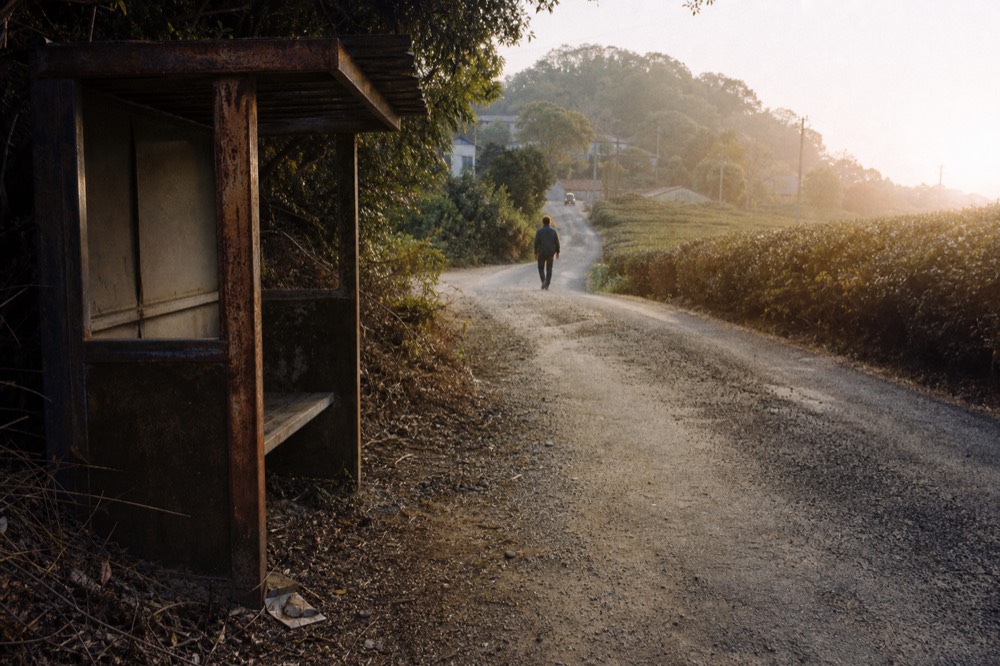
Up top, the weather-proof options are the tea houses, which are the reason most visitors come and which serve Muzha Tieguanyin, a tea grown nowhere else in Taiwan. The Taipei Tea Promotion Center is open daily 09:00 to 17:00 and closed Mondays, so it shuts on exactly the days the cable car usually does. The Chang Nai-miao Memorial Tea Museum, the Camphor Tree Trail, Taipei's first fully level trail at about 1.5 km, and the short Little Sky Trail boardwalk are all workable in light rain. Zhinan Temple, a short walk from its gondola station, remains open after the August 2026 fire that damaged its Lingxiao Hall; the rest of the complex is receiving visitors.
If the shutdown is weather-driven rather than scheduled, the calculus changes: heavy rain makes the trails slippery and the views nonexistent, and the better fallback is the Taipei Zoo at the bottom of the hill, open 09:00 to 17:00 with last entry at 16:00, which is itself mostly a network of covered walkways and indoor houses. The zoo combo option on the ticket listing bundles zoo entry with the pass, which is precisely the hedge a rainy-day planner wants.
| Situation | Is the ride running? | Best fallback |
|---|---|---|
| Light rain or drizzle | Yes, normal service | Ride anyway, queues are short |
| Fog on the hillside | Yes, normal service | Ride for the mist, return for the sunset |
| Summer thunderstorm | Paused, restart inspection after 30 min without lightning | Wait in the station or a tea house, allow an hour |
| Strong wind gusts | Suspended while gusts hold over threshold | Free shuttle buses down if you are up top |
| Typhoon land warning | Suspended for the warning's duration | Zoo, museums, indoor Taipei; ride after the typhoon passes |
| Scheduled Monday maintenance | Closed all day | Bus BR15, S10 or tour bus Left Line up to Maokong |
How Do You Plan A Weather-Proof Maokong Day?
Build the day backwards from the closing time, ride in the morning when thunderstorms are least likely, keep a bus fallback in reserve, and hold an open-dated ticket so a bad forecast moves the ride rather than cancelling it. On weekdays the gondola runs 09:00 to 21:00 and on weekends and holidays 09:00 to 22:00, which leaves plenty of margin for an afternoon pause.
The single most reliable plan for a summer trip is a morning ride. Taipei's convective thunderstorms build after midday, the gondola's lightning restart procedure takes at least 30 minutes even in the best case, and the tea houses fill with stranded visitors exactly when the storms arrive. Going up at opening, walking a trail before lunch, and being back at the terminal by early afternoon sidesteps the entire problem. In winter the risk flips: wind is the likelier trigger, and a calm morning after a cold front is the golden window.
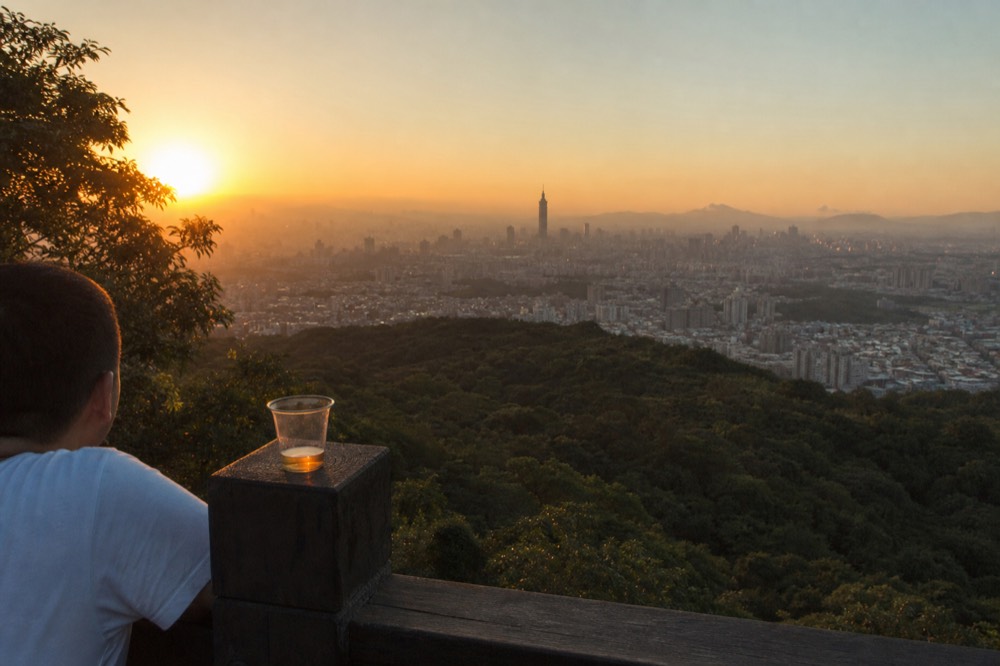
Ticket choice is the other half of the plan. A one-day pass is the right product for a hop-on, hop-off day, since all four passenger stations are covered and a single-journey ticket forces you off at a terminal station. The pass from the operator's listing starts from about $9.49 and arrives with instant confirmation, valid 180 days from purchase, so even a fully rained-out trip only postpones the ride. The zoo combo at about $12.69 adds zoo entry and a shuttle train ride, which is the natural pairing for a family hedging against weather.
| Planning item | The weather-proof move |
|---|---|
| Time of day | Ride before midday in summer; after a typhoon passes, ride on the clear day that follows |
| Day of week | Avoid Mondays; check the operator's dated calendar, not the summary rule |
| Ticket | Open-dated pass valid 180 days, so a storm moves the ride, not cancels it |
| Cabin | Regular cabin in fog or rain; Crystal Cabin only with a clear forecast |
| Fallback up top | Tea houses, museum, Camphor Tree Trail; after 19:00 only three tour bus departures remain |
| Fallback below | Taipei Zoo, mostly covered walkways, open until 17:00 |
| If stranded | Free shuttle buses down; one-ride day-pass holders get a partial refund |
The honest summary is that weather rarely ruins a Maokong day, it just reshapes one. The thresholds are published, the restart rules are published, the shuttle buses are published, and the refund rule is published. A visitor who knows all four is planning with the same information the operator's own staff work from. Maokong Gondola riders who want the full picture will find more on scheduling around closures in our Maokong Gondola hours and best times guide, and the route and stations map covers where each fallback bus connects.
The questions below are the ones visitors ask most about weather closures, and every answer draws on the operator's published rules: the four suspension triggers, the 30-minute lightning restart window, the free shuttle buses down the mountain, and the one-day-pass refund rule. Read them in order or jump to the scenario that matches your trip.
Common Questions About The Cable Car Up To Maokong Weather And Suspensions
At What Wind Speed Does The Maokong Gondola Stop?
The line suspends service when gusts reach 16 m/s, about Beaufort force 7, and hold for more than three seconds, or when any gust exceeds 18 m/s. The rule is published by the operator and applied automatically.
Does The Maokong Gondola Run In The Rain?
Yes. Rain is not a suspension trigger. Only wind, lightning, earthquake intensity and typhoon warnings stop the line, so an ordinary rainy day is a normal operating day, usually with shorter queues.
What Happens If I Am Stuck At The Top When The Gondola Stops?
Passengers in cabins are set down at the nearest safe station, and anyone left at the upper stations is taken down the mountain by free shuttle buses arranged by the operator. Nobody is left stranded on the hillside.
Do I Get A Refund If Weather Closes The Gondola?
One-day-pass holders who have ridden once when service is suspended are refunded the difference after one single-journey fare is deducted. If you have ridden twice or more, there is no refund. No refund rule has been published for unused single-journey tickets.
Is The Maokong Gondola Closed During Typhoons?
Yes. Service suspends once a typhoon land warning covering Taipei is issued, and resumes after the warning lifts and inspection is complete. In 2026 the line closed 10 and 11 July for Typhoon Bavi and reopened 12 July.
How Long Does A Lightning Shutdown Last?
The system restarts only after 30 minutes pass with no further lightning in the warning zone, followed by an inspection. The operator deliberately does not forecast a restart time, so allow at least an hour and treat it as a tea-house break.