Are There Cable Cars In Taiwan?
A survey of Taiwan's aerial cable cars, with Maokong Gondola as the anchor: its five-section POMA system, the city's own per-kilometre fare comparison, the 2008 landslide closure, and the reliability record that followed.
Taiwan runs passenger cable cars, and it has for nearly two decades. The line most international visitors meet first is the Maokong Gondola in Taipei, opened on 4 July 2007, which has now carried more than 40 million people, a cumulative milestone the operator announced on 19 May 2026. Down on the island's centre, the Sun Moon Lake Ropeway does the same job for a different landscape, hauling visitors between the lakeshore and the aboriginal cultural park above. Taipei City itself, when it defended its 2025 fare rise, put both lines in one comparison table alongside systems in Japan, Singapore and Korea, which tells you these are not novelty rides but working transport.
Are There Cable Cars In Taiwan?
Yes. Taiwan has operating passenger cable cars, and the two most prominent are the Maokong Gondola in Taipei, opened in July 2007, and the Sun Moon Lake Ropeway in Nantou County. The Maokong line alone has carried more than 40 million riders since opening, a figure its operator confirmed in May 2026, and it runs as part of Taipei's public transport network rather than as a standalone tourist attraction.
The Maokong Gondola is the one this site exists to cover, and it earns its place in any island-wide survey on engineering grounds alone. It was built by Taipei City Government, planned by the Department of Transportation, with the gondola system supplied by POMA of France, and it is operated by Taipei Rapid Transit Corporation, the same body that runs the MRT. That matters practically: you can pay with an EasyCard, the same stored-value card you use on the metro, and there is no price difference between paying by card and buying a QR-code ticket at a machine.
The Sun Moon Lake Ropeway serves a different economy. It links the lake's shore to the Formosan Aboriginal Culture Village on the hillside above, and it appears in Taipei City's own benchmarking as a mid-priced system at roughly NT$100 per kilometre. That comparison, published by the city government alongside its March 2025 fare adjustment, is the single most useful document for anyone weighing Taiwan's cable cars against each other, and we come to it below.
Beyond those two, Taiwan's aerial lift inventory is small. The island's mountain geography and typhoon climate make big ropeways expensive to build and expensive to keep safe, which is why the network never grew the way Alpine Europe's did. What Taiwan has instead is a small number of systems built to solve specific transport problems, and the Maokong line is the clearest case: the city's Public Transportation Office justified it by pointing at Maokong's narrow farm roads, severely insufficient parking, and the serious holiday congestion around the tea-growing sights at the top.
For most visitors the practical question is not whether Taiwan has cable cars but which ticket to hold when you ride one. The options below cover the three most useful ways onto the Maokong line, from the bare one-day pass to the zoo combo.
What Makes The Maokong Cable Car Unusual Among Cable Cars?
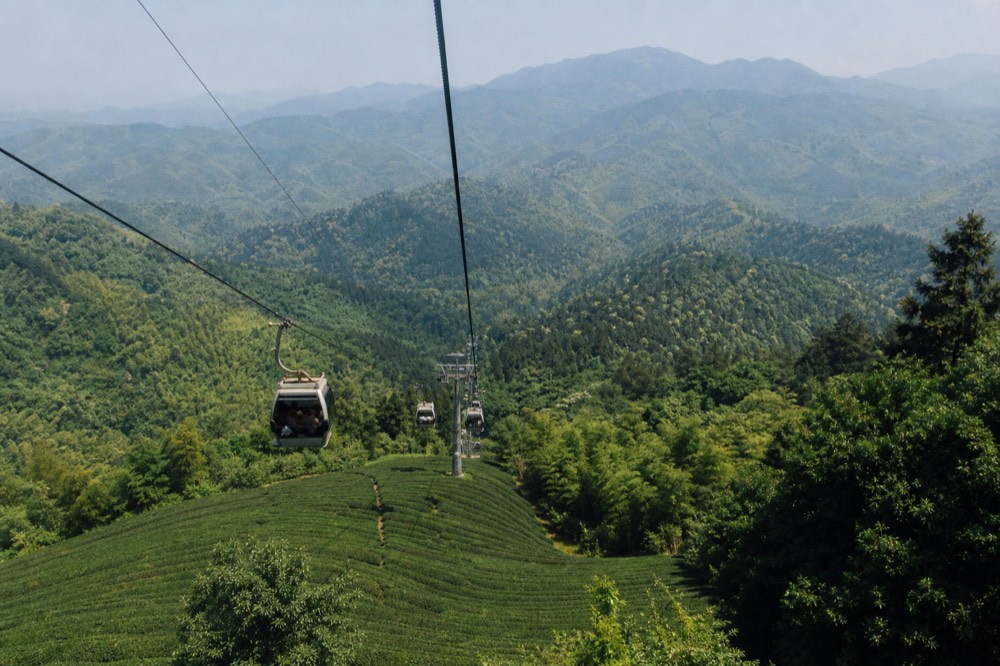
The Maokong Gondola runs five back-to-back gondola sections on a single ticket, a layout its own manufacturer described as unique in the world. The route is 4.033 km long, shaped roughly like the numeral 7, and crosses 25 pier foundations carrying 47 tower columns, with two closed angle stations bending the line between the four stations passengers can actually use.
Six stations, but only four of them are for you. In order they are Taipei Zoo Station, Taipei Zoo South Station, Zhinan Temple Station and Maokong Station, and between them sit two angle stations closed to the public, which exist for power control and for bending the route. The direction change that gives the line its 7 shape happens at those angle stations, not at Zhinan Temple as many visitors assume, and the drive system sits on an elevated platform above the platform level of the second one. POMA, the French manufacturer, looked at the resulting chain of five successive sections and called it unique in the world, a phrase the operator still quotes on its own English pages.
The technology is a monocable automatic-circulating detachable gondola. Cabins have no motor of their own; a grip clamps each one to a continuously moving haul rope, and the grip releases inside each station so cabins slow for boarding. Taipei Rapid Transit Corporation's own analogy is that it works like the conveyor belt in a Sushi Express shop. The fleet is 147 cabins, including 3 spares, of which 31 are glass-floored Crystal Cabins, and the system turns anti-clockwise at an actual operating speed of 3 to 5 metres per second against a design maximum of 6.
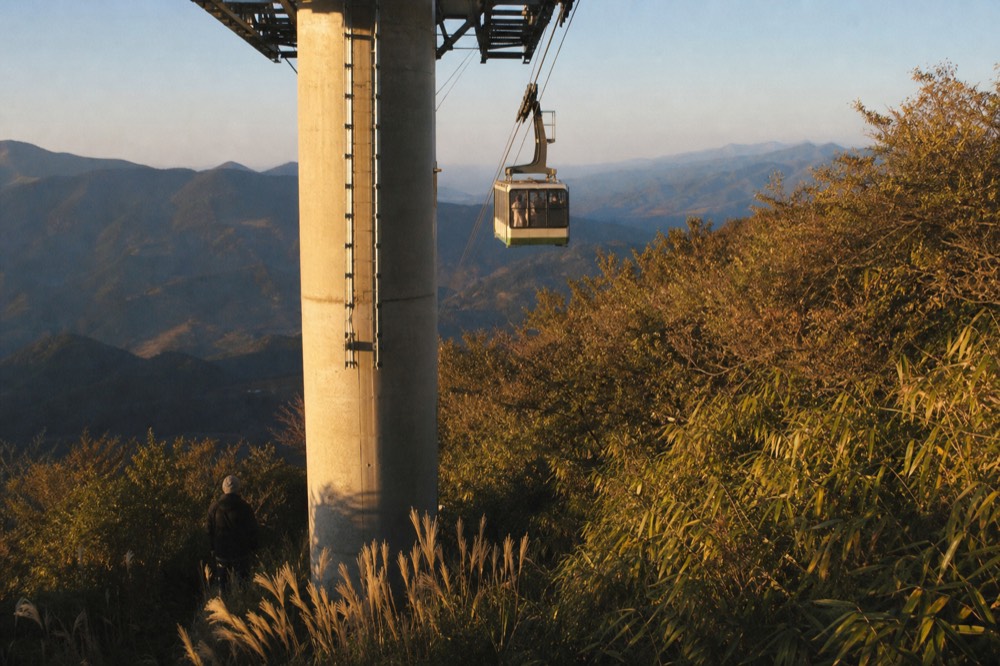
Ride time from Taipei Zoo Station to Maokong Station is 17 to 37 minutes depending on the speed the system is running that day, which is a wider spread than most visitors expect. The line climbs roughly 250 metres, and the views over the Taipei basin are the reason the operator's new Sky Green observation deck, opened at Maokong Station in January 2026, has quickly become a headline draw. If you want to dig into the stops along the way, our stations and route map guide breaks down all four.
Wondering whether the ride justifies the fare? The pass below is the one most visitors choose, and it stays valid for 180 days from the day you book.
How Do Taiwan's Cable Car Fares Compare Per Kilometre?
Taipei City's own benchmark table, published with its March 2025 fare change, puts the Maokong Gondola at roughly NT$45 per kilometre, the cheapest of the set: Sun Moon Lake's ropeway is about NT$100 per kilometre, Hakone in Japan about NT$80, Singapore's Mount Faber line about NT$230, and Korea's Songdo cable car about NT$210.
That table was the city's defence when it restructured the Maokong fares on 3 March 2025. The old scale, NT$70 for one station, NT$100 for two, NT$120 for three, was abolished and replaced with a flat fare: NT$180 per person per trip for a single journey in a regular cabin, or NT$300 for a one-day pass with unlimited rides. Concession fares for Taiwanese nationals were left unchanged at NT$50 single and NT$100 day pass, and the glass-floor Crystal Cabin became a paid upgrade of NT$50 per person per trip on top of whatever ticket you hold.
| System | Approximate fare per kilometre | Context |
|---|---|---|
| Maokong Gondola, Taipei | ~NT$45 | After the March 2025 rise, still cheapest in the set |
| Hakone Ropeway, Japan | ~NT$80 | City's benchmark comparison |
| Sun Moon Lake Ropeway, Taiwan | ~NT$100 | The island's other major passenger ropeway |
| Songdo Cable Car, Korea | ~NT$210 | City's benchmark comparison |
| Mount Faber line, Singapore | ~NT$230 | Highest in the city's table |
The city's stated reasons for the rise were seventeen years of operation, equipment maintenance costs, inflation, electricity prices, minimum-wage increases, and a fare structure it judged too complex and too cheap against comparable tourist cableways. The steepest single increase, worked out at the time by Taiwanese media, was plus 228.6 percent: the old NT$70 one-station fare against the NT$230 a one-station Crystal Cabin rider now pays. For a visitor planning around the new numbers, the practical summary is that a one-day pass pays for itself on the second ride of the day, since a single journey now costs 60 percent of the pass price.
The one-day pass sold through the operator's live listing runs from about $9.49 and is rated 4.7 from about 11,700 reviews, against a walk-up day pass of NT$300, so buying ahead is both cheaper than the gate price for most currencies and simpler. Our tickets and prices guide works through every option, including the zoo combos.
Why Did The Maokong Cable Car Once Close For 18 Months?
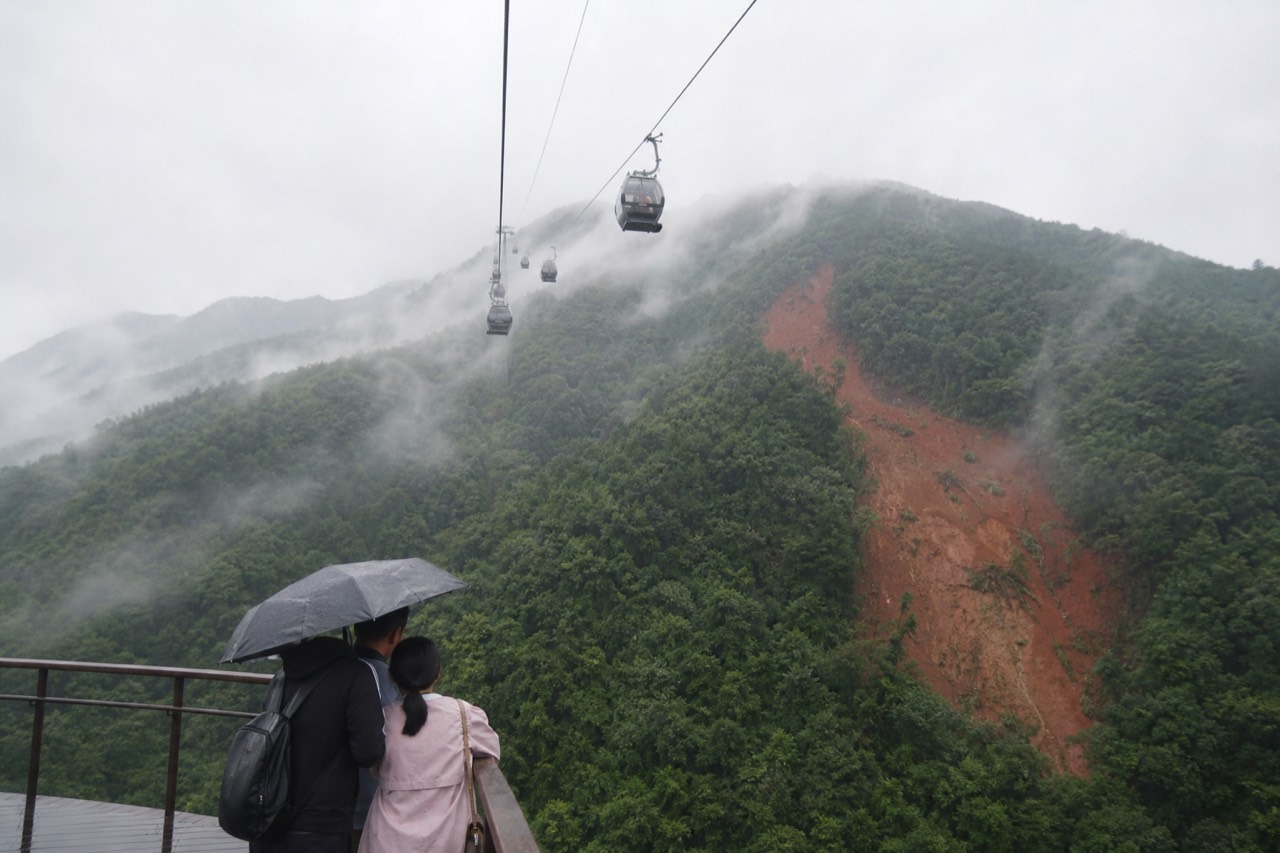
Heavy rain from Typhoon Jangmi caused a landslide on the slope near Tower No. 16 on 28 September 2008, fifteen months after the line opened, and Taipei City Government suspended the entire system on 1 October 2008 for assessment. Construction, environmental and geological associations recommended relocating the tower, and the gondola stayed shut until 30 March 2010, a closure of roughly eighteen months.
This is the history that shaped the network's present-day safety regime, and it is the reason the Maokong line looks over-engineered in places. Cumulative ridership stood at over 6.17 million when the closure began, after a first year that had seen a million passengers within 81 days of opening and five million by July 2008. Before reopening, on 4 March 2010, eleven academics and specialists spent a full day on the city's inspection, and the line returned to service with a rebuilt tower foundation.
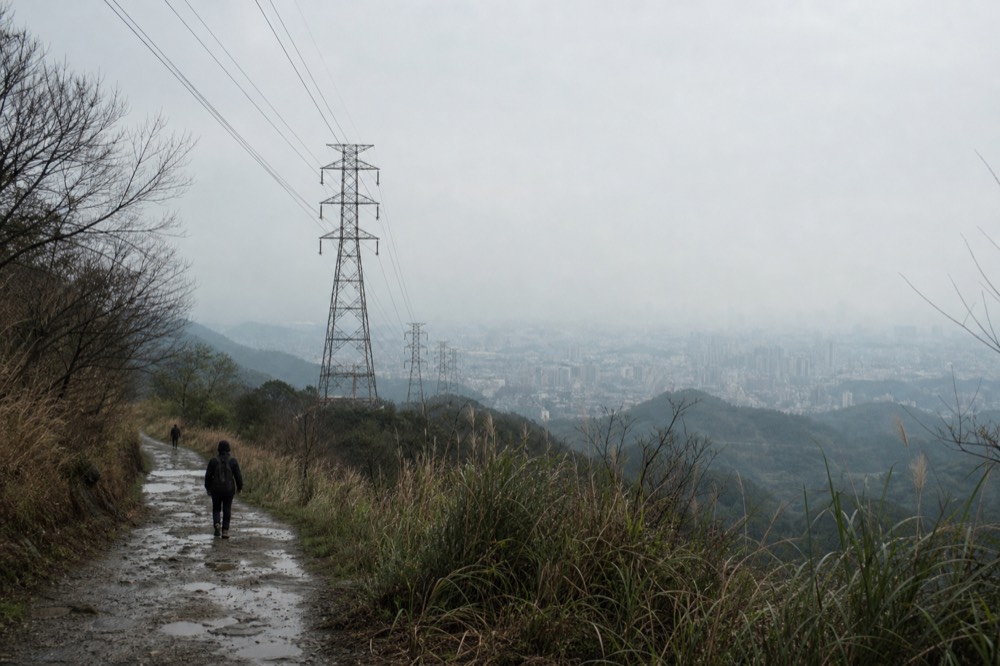
The monitoring that came out of that failure is three-dimensional. Underground borehole inclinometers watch for landslip under each tower base, ground-level tilt plates take regular readings, and superstructure monitors watch the tower tops for incline or dislodgement. Every tower carries lightning rods, a Taiwan-wide lightning detection network gives advance warning of approaching storms, and grip-force sensors test every cabin's hold on the rope as it passes through a station. Service suspends automatically when gusts reach 16 metres per second and hold for more than three seconds, when gusts exceed 18 metres per second, when lightning strikes anywhere along the route, or when shaking reaches intensity 4.
The safety provisions extend to rescue. Diesel-driven emergency backup motors can pull cabins in at 1 metre per second, a crown-gear rescue system does the same if the main gearbox fails, a twin-circuit power supply switches over automatically on a mains failure, and the Taipei City Fire Department's vertical rescue team can abseil from a tower into a cabin if it ever comes to that. It never has come to that in recent years: searches of 2025 and 2026 news found no service incidents, only routine weather suspensions and scheduled maintenance.
What Is The Reliability Record Since Reopening?
POMA, the manufacturer, confirmed in writing in April 2012 that the Maokong Gondola achieved an average availability of 99.90 percent across 2010 and 2011, calling it the best availability rate recorded to date on any cable car system. For a line that had just spent eighteen months shut after a typhoon-induced landslide, that written endorsement from its own builder is the strongest reliability statement in the industry's paper trail.
The record since has held up. Ridership milestones kept coming, 8 million by the end of 2010, 10 million by August 2011, and 40 million by 19 May 2026, and the system's annual overhaul in 2026 ran to a published schedule: a three-week shutdown from 8 to 28 June for replacing the main motor, drive-sheave bearings, liners and drive shaft, plus de-rusting, repainting and load testing, with service resuming on 29 June. The operator publishes a full-year closure calendar, and one thing worth knowing is that its English summary rule and its dated Chinese calendar do not fully agree, so the calendar is the document to trust, as our hours and best time guide explains.
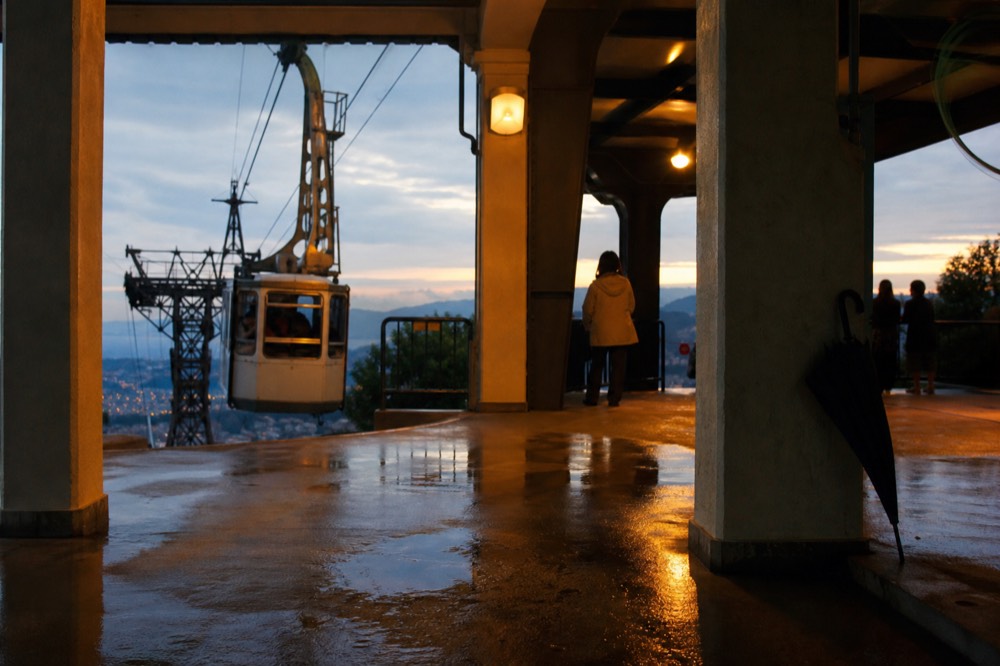
Weather remains the honest caveat. If a suspension strands passengers at the upper stations, the operator's published procedure is to run free shuttle buses down the mountain, and one-day-pass holders who have ridden only once are refunded the difference between the pass and a single fare. Typhoon Bavi closed the line on 10 and 11 July 2026 before reopening on the 12th, and a civil-defence air-raid drill halted it from 14:00 on 13 August 2026. These are short, scheduled, announced interruptions rather than failures, which is the pattern you want from a mountain transport system in a typhoon country.
For riding the line itself, the one-day pass below is the straightforward choice: unlimited rides across all four passenger stations on the day you activate it, open-dated and valid for 180 days from purchase.
That pass is the same product whether you buy it at the gate or ahead of time, but the prebooked version costs from about $9.49 against the NT$300 walk-up price, and it carries instant confirmation. Families pairing the ride with the zoo should weigh the combo options instead, since zoo entry is not included in the base pass, and the zoo's own shuttle train only comes with those bundles.
However you buy, the ride you get is the one POMA called a world first: five sections, four open stations, two silent angle stations doing the turning, and a 4.033 km route that ends at tea. Taiwan's cable car story is short compared with the Alps, but its flagship line has a more dramatic history and a better documented safety record than most, and it is the one you can ride on an EasyCard like a commuter. This site, Maokong Gondola, covers that line end to end, from fares to the tea houses waiting at the top.
Taiwan's cable car network is small but genuinely operational, anchored by the Maokong Gondola in Taipei and the Sun Moon Lake Ropeway in Nantou, with the Maokong line carrying more than 40 million riders since 2007. The questions below cover the fares, the engineering, the 2008 closure, the maintenance calendar, and how to pay, so you can plan a ride with current figures rather than the outdated numbers still circulating in older guides.
Common Questions About Cable Cars In Taiwan
Are There Cable Cars In Taiwan?
Yes. The Maokong Gondola in Taipei, opened in July 2007, and the Sun Moon Lake Ropeway in Nantou are the two major passenger cable cars, and the Maokong line alone has carried more than 40 million riders.
How Much Does The Maokong Gondola Cost Compared With Other Cable Cars?
A single journey in a regular cabin is NT$180 and a one-day pass is NT$300. Taipei City's own benchmark puts that at roughly NT$45 per kilometre, cheaper per kilometre than Sun Moon Lake's ropeway at about NT$100, Hakone at about NT$80, Singapore's Mount Faber line at about NT$230 and Korea's Songdo at about NT$210.
What Makes The Maokong Gondola Different From Other Cable Cars?
It runs five back-to-back gondola sections on one ticket, which its manufacturer POMA called unique in the world, over a 4.033 km route shaped roughly like the numeral 7, with two closed angle stations bending the line between the four passenger stations.
Is The Maokong Gondola Safe After The 2008 Closure?
The line closed for about eighteen months from October 2008 after Typhoon Jangmi caused a landslide near Tower 16, and reopened on 30 March 2010 after the tower was relocated. POMA later confirmed in writing that the system achieved 99.90 percent availability across 2010 and 2011, and no service incidents were reported in 2025 or 2026 searches.
Does The Maokong Gondola Close For Maintenance?
Yes, most Mondays for routine maintenance, plus an annual overhaul, which ran 8 to 28 June in 2026. The operator publishes a dated closure calendar, and that calendar, not the English summary rule, is the reliable source.
Can I Use An EasyCard On Taiwan's Cable Cars?
On the Maokong Gondola, yes. EasyCard, iPASS and iCASH are all accepted at the same fare as a QR-code ticket, and riding the gondola unlocks a free same-day transfer to the Maokong Tour Bus on both its lines, claimed by tapping the same card.